Cannabis Flower: The Complete Guide to Buds
Cannabis flower — also called bud, nug, or simply "weed" — is the original cannabis product. It's the dried, cured reproductive structure of the female cannabis plant, and it's still the most popular way people consume cannabis despite decades of new product formats. There's a reason. Flower delivers the full chemical profile of the plant: every cannabinoid, every terpene, every nuance. Everything else — concentrates, edibles, tinctures — starts with flower as the raw material.
What Is Cannabis Flower?
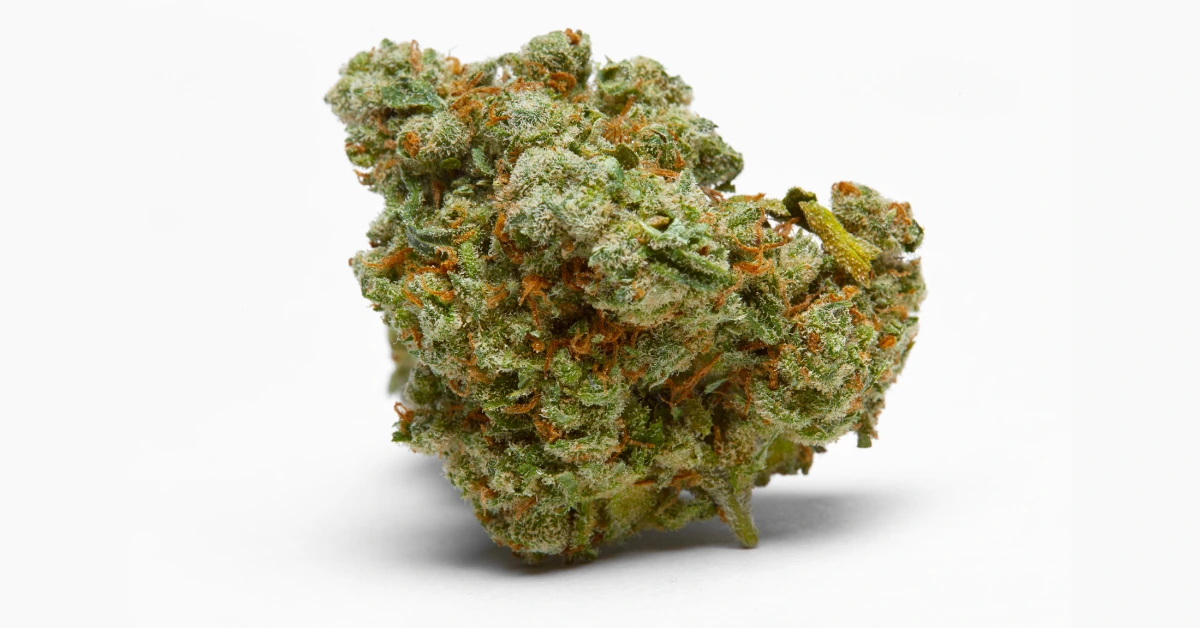
The flower is the bud — specifically the cluster of calyxes, sugar leaves, and pistils that form on the female cannabis plant during its reproductive stage. When grown without pollination ("sinsemilla"), the plant pours its energy into producing more trichomes instead of seeds, which is why commercial cannabis flower is so resinous.
After harvest, the buds are dried (usually for 7–14 days) and then cured (stored in controlled containers for 2–8 weeks). Proper drying and curing develop flavor, smoothness, and potency, while also protecting against mold and harshness.
How to Judge Cannabis Flower Quality
1. Look
Quality flower is visually striking. Dense, well-trimmed buds with healthy color — usually green, sometimes with purple, blue, or orange accents. Look for a frosty coating of trichomes that makes the bud sparkle. Avoid flower that looks brown, flat, overly dry, or has visible mold (white, fuzzy patches that aren't trichomes).
2. Smell
Open the jar. Fresh, quality flower should have a strong, distinct aroma — citrus, pine, pepper, fuel, berry, whatever the strain's terpene profile dictates. Weak or hay-like smell means old flower or poor curing. A sharp ammonia smell can mean mold.
3. Feel
Squeeze gently. Good flower is slightly springy — firm but not dry, with just enough moisture that it doesn't crumble into dust. Overly dry flower crumbles and feels brittle; overly wet flower feels spongy and can harbor mold.
4. Trichome Coverage
Use a magnifier if you want to go deeper. Dense trichome coverage indicates potency. For the full trichome breakdown, see our what are trichomes guide.
5. Lab Report
Every legal flower product should have a Certificate of Analysis showing cannabinoid and terpene content. A well-grown flower will have clear terpene numbers — not just a total THC percentage.
How Flower Is Grown
Understanding how flower is cultivated helps you judge what you're buying. The main growing methods:
Indoor: Grown in climate-controlled environments with artificial light. Usually produces the most potent, visually perfect flower but has a higher environmental footprint.
Outdoor: Grown under the sun in open fields. More environmentally friendly, seasonal harvest, often more aromatic but sometimes less visually polished.
Greenhouse: Sun-grown with supplemental climate control. A middle ground between indoor and outdoor.
None is automatically "better" — top-tier flower can come from any of the three. What matters more is the skill of the grower, the care of the drying and curing, and the freshness of the product on the shelf.
Strain Types: Understanding the Menu
Dispensary menus usually sort flower by sativa, indica, and hybrid. Those labels are useful shorthand but imperfect predictors of effects. For the full story on why, see our sativa vs indica vs hybrid guide. A better filter is the cannabinoid and terpene profile — covered in our guides to major vs minor cannabinoids and cannabis terpenes.
How to Use Cannabis Flower
Smoking
The classic method. Roll into joints or blunts, pack into a pipe or bong, or buy pre-rolls. Fast onset (seconds to minutes), peak at about 15–30 minutes, effects lasting 1–3 hours.
Vaporizing
Dry herb vaporizers heat flower without burning it, preserving terpenes and reducing respiratory impact. See our vaping vs smoking cannabis guide for the full comparison.
Cooking / Infusion
Flower can be infused into butter, oil, or other fats to make edibles. This requires decarboxylation first. See our guides to decarboxylation and cooking with cannabis.
How Long Flower Lasts (and How to Store It)
Properly stored cannabis flower can stay fresh for 6 months to a year or longer. Improperly stored, it can degrade in weeks.
Airtight glass jars — never plastic bags, which strip terpenes.
Cool, dark location — sunlight and heat degrade THC into CBN.
62% relative humidity — humidity packs maintain this automatically.
Don't grind until you're ready to use. Ground flower degrades much faster.
For the full storage breakdown, see how to store cannabis.
Flower vs. Other Cannabis Products
Flower offers the most complete chemical profile, the most variety, and the lowest cost per gram. Downside: requires equipment, produces odor.
Concentrates are more potent per dose but often lose terpenes during extraction.
Edibles are smoke-free but have delayed onset and unpredictable duration.
Tinctures are discreet, fast-onset sublingually, but less social.
Frequently Asked Questions
How much is a gram of cannabis flower?
Prices vary by market and quality. In legal state markets, expect roughly $8–$20 per gram for standard flower and $15–$30+ per gram for top-shelf. Ohio and Maryland prices vary by dispensary and product tier.
How long does cannabis flower stay fresh?
Properly stored, 6 months to a year and often longer without significant degradation. After a year, terpenes will noticeably fade and THC slowly converts to CBN.
What does 'top shelf' mean?
Top shelf is a dispensary term for the highest-quality tier of flower — usually the best-looking, best-smelling, most potent, and most expensive options. Other tiers include mid-shelf and value/bottom-shelf.
Is indoor or outdoor flower better?
Neither is automatically better. Indoor is usually more visually perfect and consistent; outdoor is often more aromatic and has a smaller environmental footprint. The skill of the grower matters more than the setting.
Can cannabis flower go bad?
Yes. It can grow mold if stored in humid conditions, and terpenes and cannabinoids degrade over time. Moldy flower should never be smoked — look for white fuzz, dark spots, or an ammonia smell.
What is the difference between flower and pre-rolls?
Flower is the raw bud; pre-rolls are joints already rolled and ready to smoke. Pre-rolls are often made from trim or smaller buds, though some dispensaries offer premium pre-rolls from whole flower. See our cannabis pre-rolls guide.
The Bottom Line
Cannabis flower is still the most complete and versatile form of cannabis. It delivers the full chemical profile of the plant, it's the most cost-effective per dose, and it connects consumers to the plant in a way processed products can't match. Learning to judge flower quality — by look, smell, feel, and lab report — is one of the most useful skills a cannabis consumer can develop.
Browse fresh, terpene-tested flower at Bloom Ohio or Bloom Maryland.