What to Do If You're Too High: A Calm, Practical Guide
If you're reading this because you're uncomfortably high right now, here's the most important thing first: you are going to be okay. No one has ever died from consuming too much cannabis. The feeling will pass. Every minute that goes by, you're closer to baseline. This guide will walk you through exactly what to do — and what not to do — to make the next few hours as comfortable as possible.
First: You Are Safe
Let's get this out of the way. Cannabis is not fatal in any realistic dose. The lethal dose of THC is so high that it's essentially impossible to reach through normal consumption — a 1988 DEA ruling noted that no documented human cannabis deaths exist in the medical literature (Francis L. Young, DEA Administrative Ruling, 1988). What you're feeling — anxiety, racing heart, paranoia, dizziness, nausea — is real and uncomfortable, but it's not dangerous, and it will end.
The peak discomfort from a too-strong high is usually limited to a window of 30 minutes to 2 hours. Edibles can extend this, but even then, the worst is usually behind you after 2–3 hours.
The Quick Action Plan
If you need help right now, do these five things in order:
1. Find a safe, quiet space. Somewhere comfortable you can stay for a few hours without interruption.
2. Sit or lie down. Gravity is your friend. Avoid standing for long periods — dizziness and low blood pressure can make you feel worse.
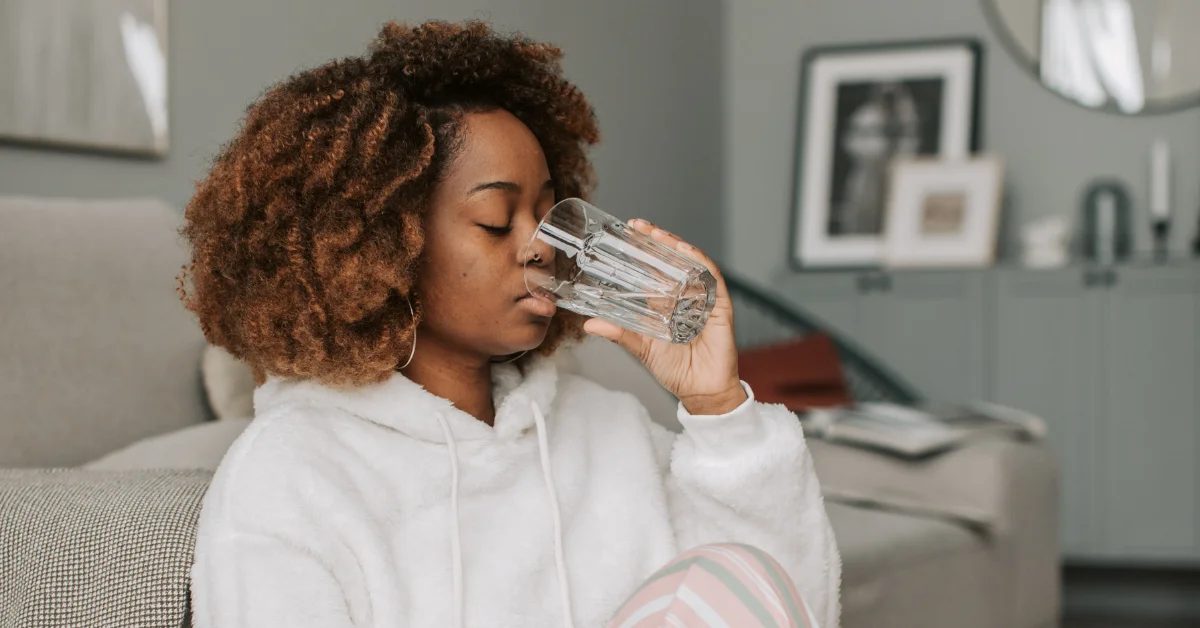
3. Drink water or juice. Hydration helps you feel grounded. Don't force large amounts; just sip.
4. Breathe slowly. Inhale for 4 seconds, exhale for 6. Repeat. This directly calms the anxiety response.
5. Remind yourself it will end. This is temporary. You've got this.
What Helps You Come Down
Breathing and Grounding
Slow, deep breathing is the single most effective thing you can do. When you're too high, your body's stress response kicks in — elevated heart rate, shallow breathing, racing thoughts. Deep breathing directly engages the parasympathetic nervous system and counters it. Try the 4-7-8 technique: inhale 4 seconds, hold 7 seconds, exhale 8 seconds. Repeat for 2–3 minutes.
Hydration (and a Little Food)
Water. Juice. A sports drink. Something with a little sugar can help if you're feeling shaky. Eating a small snack — crackers, fruit, bread, whatever's easy — often helps ground you, because it redirects some body processes away from THC metabolism and toward digestion.
CBD, If You Have It
CBD may help reduce THC's intensity. This is one of the most commonly reported uses for CBD among experienced consumers: as an "antidote" to feeling too high. A 2013 study in Psychopharmacology found that CBD reduced some of the psychoactive effects of THC in human subjects (Englund et al., 2013). A CBD tincture, CBD-only edible, or even a high-CBD pre-roll can help take the edge off.
Black Pepper (Yes, Really)
This sounds absurd but has a basis in chemistry. Black pepper contains beta-caryophyllene, a terpene that binds to CB2 receptors and may counteract some of THC's effects. Sniff freshly cracked pepper or chew on a few peppercorns. It's free, it's in your kitchen, and anecdotal reports (including from Dr. Ethan Russo's terpene research) suggest it can help.
Distract Yourself
Put on a familiar movie or comfort show. Listen to music you love. Play a simple game. Call a friend you trust. Anything that takes your attention away from body sensations and intrusive thoughts.
Take a Shower
A warm (not hot) shower can be grounding and soothing. The physical sensation helps reconnect you to your body.
Sleep If You Can
If you can sleep, do it. Sleep is the fastest way to fast-forward through an uncomfortable high. You'll wake up feeling significantly better, sometimes completely back to normal.
What to Avoid
More cannabis. Obviously. But also: stay away from anything cannabis-related while you recover.
Alcohol. Alcohol intensifies the effects of THC and makes nausea worse.
Caffeine. Can worsen anxiety, racing heart, and restlessness.
Stimulants of any kind, including energy drinks.
Driving. You are impaired and unsafe to drive, regardless of how you feel.
Making major decisions. Not the time to answer important texts, make phone calls, or send emails.
Panicking about your heart rate. Cannabis temporarily raises heart rate. This is uncomfortable but not dangerous for most healthy adults.
The Psychological Tools
Remind Yourself This Is Temporary
The hardest part of being too high isn't the physical sensations — it's the mental loop. The thought "what if this never ends?" is common, and completely wrong. It will end. Every minute is closer to baseline. Some people find it helpful to literally set a timer for 30 or 60 minutes just to concretely remind themselves that time is passing.
Don't Fight It
Resisting a strong cannabis experience often makes it worse. Try to lean into the discomfort rather than fight it. Acknowledge it. Say to yourself: "I am uncomfortable right now. This is cannabis. It's temporary. I'm safe." This simple shift in mindset can dramatically reduce the intensity of anxiety.
Talk It Out
If you have a friend with you, especially one who's experienced with cannabis, let them know how you feel. A calm voice reassuring you is one of the most effective interventions available.
When to Seek Help
Cannabis alone is not a medical emergency. But there are times when getting help is the right call:
Chest pain that feels different from typical "racing heart" — especially if you have a history of heart conditions.
Difficulty breathing beyond feeling anxious.
Severe vomiting that won't stop.
Loss of consciousness or inability to be woken.
Seizures of any kind.
Severe confusion that doesn't improve with rest.
A suspicion of contaminated product — if cannabis was from an unlicensed source, other substances may be involved.
In any of these cases, call a trusted person, poison control, or emergency services. Emergency responders have seen this before and are generally not judgmental — and in most states, there is no legal risk for seeking help.
How to Avoid This in the Future
Start Lower Next Time
The single biggest cause of uncomfortable highs is taking too much, especially with edibles. See our cannabis edibles dosage guide for specific dose ranges.
Wait Longer Before Taking More
The other major cause: taking a second edible 30 minutes in because "nothing is happening." Wait at least 2 hours. If in doubt, wait until the next day.
Use Balanced or CBD-Forward Products
Balanced 1:1 THC:CBD products are much harder to overdo than pure-THC products. For sensitive users, 2:1 or higher CBD-dominant ratios are even safer. See our THC vs CBD guide.
Consider Microdosing
If you've had more than one bad experience, microdosing may be the better approach entirely. See microdosing cannabis.
Know Your Products
Higher-potency concentrates and infused products hit harder and faster than flower. See cannabis concentrates for context.
Frequently Asked Questions
Can you overdose on cannabis?
Not in the lethal sense. There is no recorded case of a human dying from a cannabis-only overdose. You can absolutely consume too much and feel terrible, but it's not medically dangerous in the same way alcohol or opioid overdoses can be.
How long does being too high last?
For smoked cannabis, the worst of an overconsumption experience usually passes within 30 minutes to 2 hours. For edibles, it can last 2–4 hours or longer. Effects taper gradually, so you'll feel progressively better as time passes.
Does CBD really counter a THC high?
Research and user reports suggest CBD can reduce some of THC's intensity, particularly anxiety. It's not a magic off switch, but it often helps take the edge off.
Should I eat if I'm too high?
A light snack often helps — something simple like crackers, fruit, or toast. Don't force it if you're nauseated, but eating usually improves the experience.
Why does my heart feel like it's racing?
THC temporarily increases heart rate. This is uncomfortable but not dangerous for most healthy adults. It typically peaks within the first 30–60 minutes and fades as the high comes down. People with heart conditions should use cannabis cautiously and discuss with a doctor.
What if I can't stop feeling anxious?
Deep breathing, grounding techniques, distraction, and a calm environment are your best tools. If anxiety persists or recurs in future cannabis use, consider lower doses, higher CBD content, or talking to a doctor about whether cannabis is the right fit for you.
The Bottom Line
If you've taken too much cannabis, you're safe. Find a quiet space, breathe deeply, hydrate, try CBD if you have it, and remind yourself this is temporary. In a couple of hours, you'll be fine. Next time, start lower and wait longer. Cannabis works best when you respect it — and respecting it usually means using less than you think you need.