What Is Hash? How It’s Made and How It Differs from Flower
Hash is pressed cannabis resin made from trichomes. See how it’s made, how it compares with flower and kief, and where to find it at Bloom.
By Bloom Team
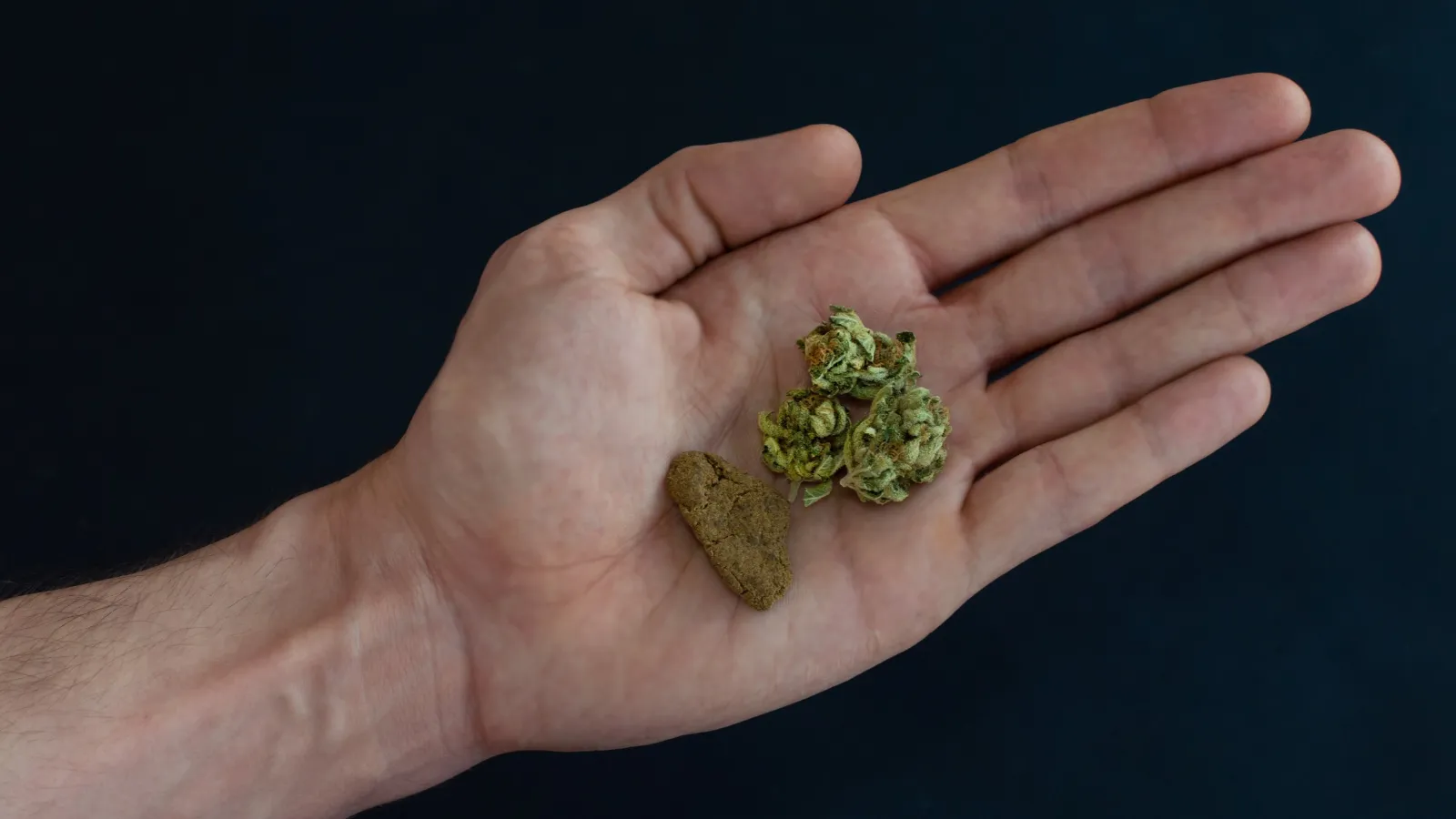
Quick answer: Hash (short for hashish) is a concentrate made by collecting the resin glands, called trichomes, from cannabis flower and pressing them together. It’s usually brown to tan, ranges from soft and sticky to hard and crumbly, and is typically stronger than flower by weight because the plant material has been removed.
If you’ve only ever bought flower, hash can look like something from another plant. It isn’t. It’s the same resin glands you see sparkling on a good bud, collected and packed together. Here’s what hash is, how it’s made, how it differs from flower and where to find it at Bloom.
What Is Hash?
Hash is a cannabis concentrate made from trichomes, the tiny resin glands that cover the flowers and sugar leaves of the plant. Trichomes are where the plant makes most of its cannabinoids, like THC, and its terpenes, the compounds behind aroma and flavor. (For a closer look at them, see What Are Trichomes?)
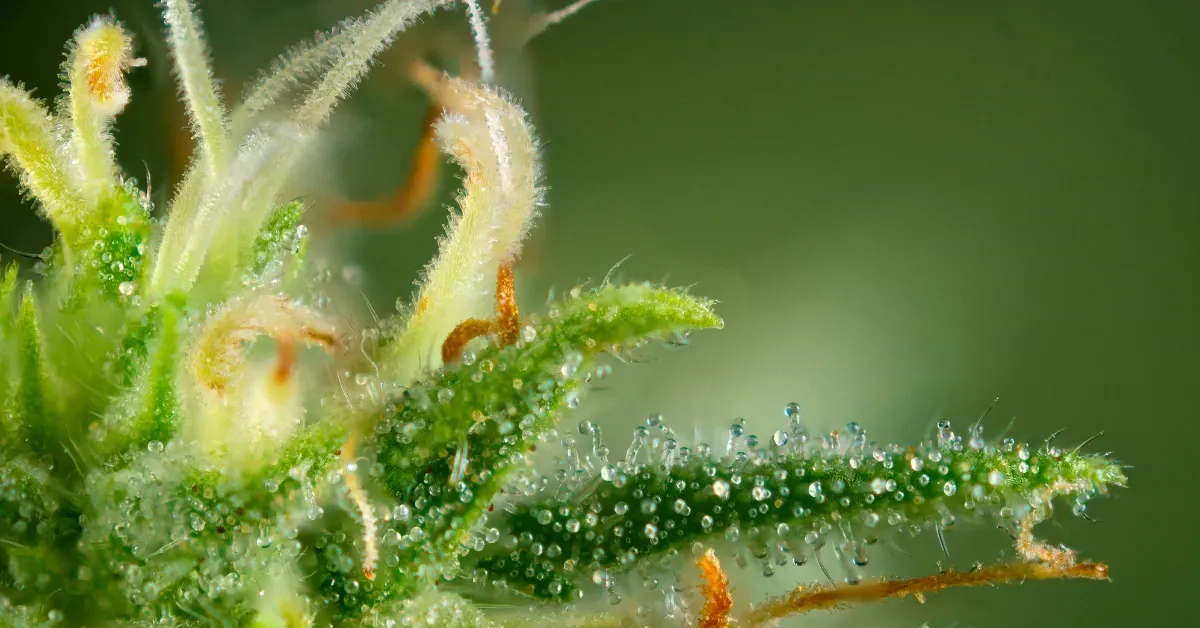
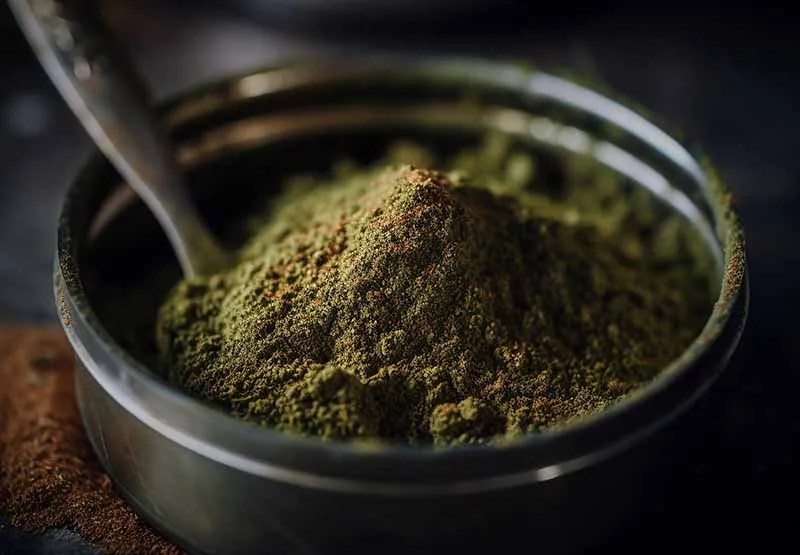
When trichomes are knocked loose from dried flower, they collect as a fine powder called kief. Press that powder with heat and pressure and it melts together into hash. So the simplest way to think about it:
- Flower is the whole bud: plant material plus trichomes.
- Kief is the loose trichomes, sifted off the bud.
- Hash is kief (or resin collected another way) pressed into a solid.
The word comes from “hashish,” an Arabic word for grass or herbs. Hash has a long history across North Africa, the Middle East and South Asia, where it was made by sifting or hand-rubbing plants long before modern extraction existed.
How Hash Is Made
Every kind of hash starts the same way: separate the trichomes from the plant, then press them together. The methods differ in how the trichomes get separated. None of the traditional methods use chemical solvents, which is why hash is often called a solventless concentrate.
Dry sift. Dried, often frozen, flower is shaken or tumbled over a series of fine mesh screens. The trichome heads fall through, the leafy material stays behind, and the collected powder is pressed. Finer screens give a cleaner, lighter-colored result.
Ice water hash (bubble hash). Cannabis is stirred in ice water. The cold makes trichomes brittle so they snap off, and the water carries them through filter bags of different mesh sizes. The wet resin is dried, then pressed or left loose. The best grades are sometimes called full melt because they melt almost completely when heated.
Hand-rubbed hash (charas). The traditional method in parts of India and Nepal. Growers rub live, fresh flowers between their palms, and the sticky resin builds up on their hands. It’s scraped off and rolled into balls or sticks.
Pressed hash. Most hash you’ll see is pressed. Heat and pressure bind loose resin into a block, which makes it easier to store and handle. Traditional hash from Morocco and Afghanistan is often pressed into flat slabs or bricks.
Hash rosin. Some makers take bubble hash a step further and squeeze it between heated plates. That pushes out an oil called hash rosin, one of the most refined solventless concentrates. Our post on live resin vs. live rosin explains how rosin differs from solvent-based concentrates.
Color and texture tell you something about the method and the starting material. Lighter, softer hash usually has fewer plant particles. Darker, harder hash is often older, more heavily pressed or has more plant material in it. Neither is a guarantee of quality on its own, so check the label for the product type, test results and harvest or package date.
Hash vs. Weed (Flower): What’s the Difference?
Hash and flower come from the same plant, but hash keeps the resin and drops most of the plant material. That one change affects potency, how much you use, how it’s stored and how it’s smoked.
| Hash | Flower | |
|---|---|---|
| What it is | Pressed trichomes (resin glands) | Dried, cured cannabis buds |
| Plant material | Little to none | Trimmed bud, with some sugar leaf |
| Typical THC on the label | Higher by weight; check each product’s label | Lower by weight; check each product’s label |
| Look and feel | Brown to tan, soft and sticky to hard and crumbly | Green buds, often with visible trichomes |
| How much you use | Small pieces at a time | Larger amounts per bowl or joint |
| Common ways to use it | Crumbled onto flower, in a pipe, in a joint, vaporized | Joints, pipes, bongs, dry-herb vapes |
| Storage | Airtight, cool and dark; can dry out and harden | Airtight, cool and dark, with humidity control |
| Where it sits on Bloom’s menu | Concentrates | Flower |
The biggest practical difference is potency per gram. Because hash is mostly resin, a small amount carries more THC than the same weight of flower. Labels list the cannabinoid content for every product, so compare the THC figure on the hash you’re looking at with the flower you usually buy before deciding how much to use.
Flavor is the other difference people notice. Hash often tastes earthy, spicy or rich, while flower shows more of its strain’s individual terpene profile. Fresh, high-grade hash can still carry plenty of the original strain’s aroma.
Hash vs. Kief, Rosin and Other Concentrates
Hash is one of several concentrates on a dispensary menu. Here’s how it fits with the ones shoppers ask about most.
| Concentrate | How it’s made | Solvent used? | Texture |
|---|---|---|---|
| Kief | Trichomes sifted off dried flower, left loose | No | Fine powder |
| Hash | Trichomes collected, then pressed | No | Solid block, ball or slab |
| Hash rosin | Bubble hash pressed with heat into oil | No | Sticky oil or badder |
| Live resin | Fresh-frozen plants extracted with a solvent | Yes (usually butane or propane) | Sauce, badder or sugar |
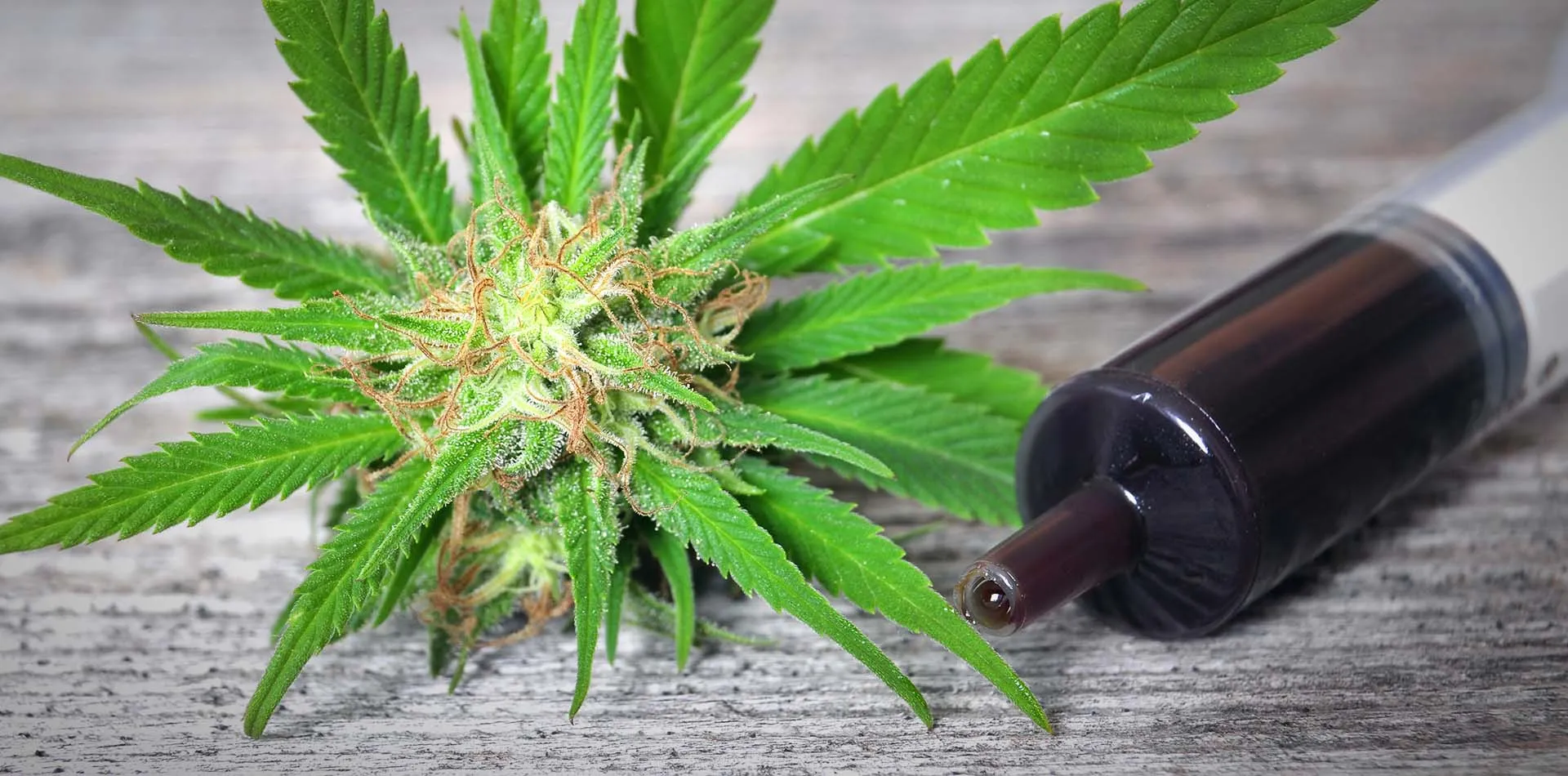
| RSO | Whole plant extracted with a solvent like ethanol | Yes | Thick dark oil, usually in a syringe |
| Distillate | Extract refined to isolate THC | Yes | Clear, thick oil |
Kief and hash are the closest relatives: kief is the raw ingredient, hash is the finished, pressed product. Our kief guide covers how it’s collected and how people use it. For RSO, see What Is RSO? How It’s Made and How It’s Sold in Ohio. For the full lineup, see our guide to cannabis concentrates.
How People Use Hash
Hash is versatile, which is part of why it has lasted so long. These are the most common ways people use it:
- Crumbled onto flower. The most common approach. Warm a small piece between your fingers until it softens, crumble or roll it into a thin “snake,” and add it to a bowl or joint.
- In a pipe or bong. Place a small piece on top of a layer of flower so it doesn’t fall through the screen or stick to it.
- In a vaporizer. Some vaporizers handle concentrates or have a concentrate insert. Check that yours is made for concentrates before trying hash in it.
- Pressed into rosin. Higher-grade bubble hash is often pressed into hash rosin, which is dabbed or vaporized.
“We tell most customers to use it as a flower topper. A lot of our customers and patients like high-THC flower, and this is a good way to bump a mid-20% THC flower to hit stronger.” — Jamie Oten, budtender, Bloom West Columbus
Because hash carries more THC per gram than most flower, people usually use smaller amounts. Every Bloom product label lists its cannabinoid content, so check the label and ask a budtender if you’re new to concentrates. Our post on how to read a cannabis label walks through each section.
To keep hash fresh, store it in an airtight container away from heat and light. Parchment paper or a small glass jar works well. Hash that dries out gets harder but can still be used.
Is Hash Legal in Ohio and Maryland?
Yes. Adults 21 and older can buy hash from a licensed dispensary in both states. Hash counts as a concentrate (Ohio calls it an extract), so it falls under the concentrate limits, not the flower limits.
| Ohio | Maryland | |
|---|---|---|
| Age | 21+ (or registered medical patient) | 21+ (or registered medical patient) |
| How hash is classed | Extract | Concentrated cannabis |
| Adult possession limit | 15 grams of extract | 12 grams of concentrated cannabis |
| Where to buy | Licensed Ohio dispensary only | Licensed Maryland dispensary |
| More detail | Ohio possession limits | Maryland possession limits |
In Ohio, Senate Bill 56 took effect March 20, 2026. It requires that adult-use cannabis come from a licensed Ohio dispensary or your own legal home grow, and it limits smoking and vaping to private residences. See our Senate Bill 56 guide for the full list of changes.
In both states, don’t carry cannabis across state lines, even between two states where it’s legal.
Where to Find Hash at Bloom
Hash is listed under concentrates on Bloom’s online menu. Order ahead for pickup or stop in, and a budtender can walk you through what’s in stock and how it compares with the flower you usually buy.
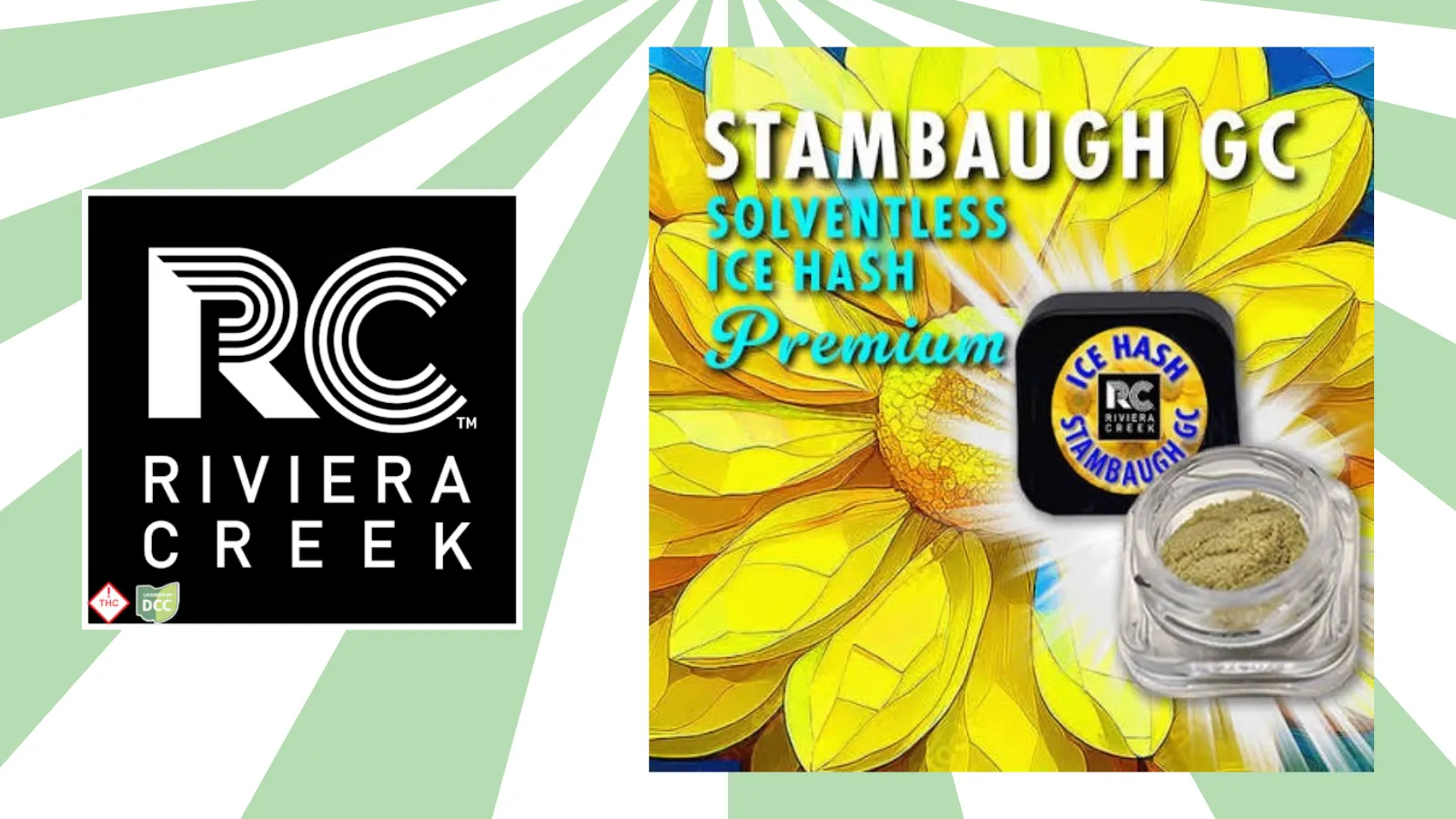
“A lot of our older patients and customers who used cannabis a long time ago look for hash, since it’s something they recognize from back in the day. Riviera Creek has the best-known hash around, since they were among the first to offer it in Ohio. Their Garlic Cookies is a favorite because it’s a well-known strain and its flower is highly sought after.” — Jamie Oten, budtender, Bloom West Columbus
Shop hash: Ohio stores · Bloom Germantown, MD
Hash FAQ
Is hash stronger than weed?
By weight, usually yes. Hash is mostly resin with the plant material removed, so a gram of hash typically carries more THC than a gram of flower. Check the THC figure on each label to compare.
What does hash look like?
Most hash is brown, tan or dark green. It can be soft and pliable, sticky, or hard and crumbly, depending on how it was made and how old it is.
What’s the difference between hash and kief?
Kief is loose trichome powder. Hash is that powder, or resin collected another way, pressed into a solid.
Is hash a concentrate?
Yes. Hash is one of the oldest concentrates, and it’s made without chemical solvents. At Bloom, you’ll find it under concentrates on the menu.
Can you smoke hash by itself?
Yes, in a pipe or with a vaporizer made for concentrates. Many people mix it with flower so it burns more evenly.
How should I store hash?
In an airtight container, away from heat and light. Parchment paper or a small glass jar works well.
Can you buy hash at a dispensary?
Yes. In Ohio and Maryland, adults 21 and older (and registered medical patients) can buy hash at a licensed dispensary, where it’s sold as a concentrate or extract. At Bloom, see the hash menu for Ohio stores or Germantown, MD, or ask a budtender what’s in stock.
For general information. This post isn't medical or legal advice. Cannabis rules differ between Ohio and Maryland and can change, so check with the Ohio Division of Cannabis Control or the Maryland Cannabis Administration. Talk to a healthcare provider before using cannabis for a medical condition. For adults 21+ and registered medical patients.
More from the Bloom blog.
Education5 min read
Cannabis Concentrates: Types, Potency and How to Use Them
A complete guide to cannabis concentrates: shatter, wax, live resin, live rosin, distillate, hash and kief, how they're made, how to use them and dosing.
Bloom TeamNovember 24, 2026
Education6 min read
What Is RSO? How It’s Made and How It’s Sold in Ohio
RSO is a full-spectrum cannabis extract made with a solvent like ethanol. See how it’s made, how it differs from distillate and how Ohio labels it.
Bloom TeamNovember 12, 2026
Education5 min read
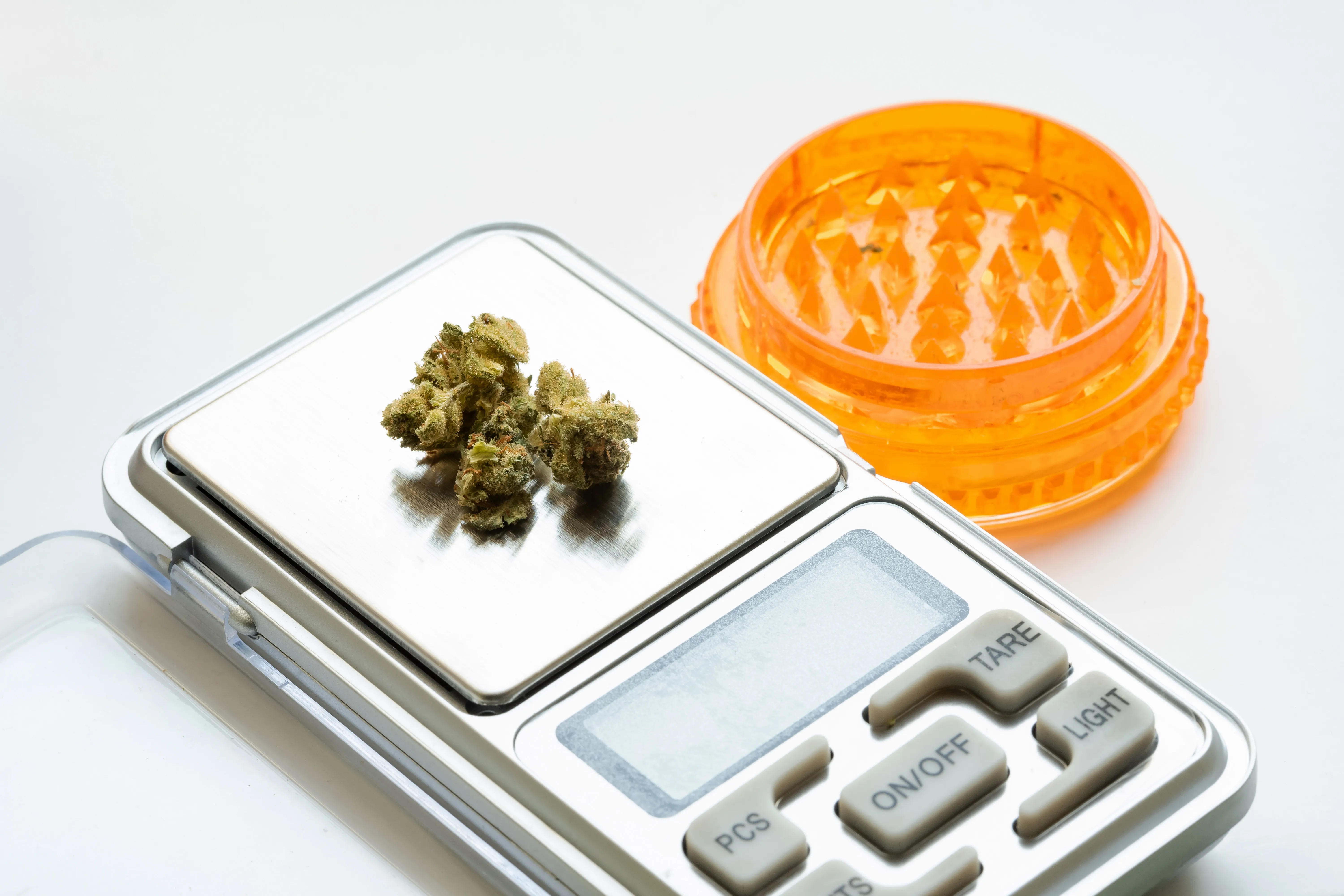
How Many Grams in an Eighth? Cannabis Weights from a Gram to an Ounce
An eighth of cannabis is 3.5 grams. See every common weight from a gram to an ounce, what each size looks like, and how to shop flower at Bloom.
Bloom TeamNovember 10, 2026
Earn points, get the deals first.
Join Bloom Rewards free and start with 200 points, plus member-only deals and news from Bloom.
- 200 points for joining
- 1 point per $1 spent
- 100 points = $5
- Member-only deals and drops
Earn at any Bloom in Ohio or Maryland. Pick your store when you sign up.