What Is RSO? How It’s Made and How It’s Sold in Ohio
RSO is a full-spectrum cannabis extract made with a solvent like ethanol. See how it’s made, how it differs from distillate and how Ohio labels it.
By Bloom Team
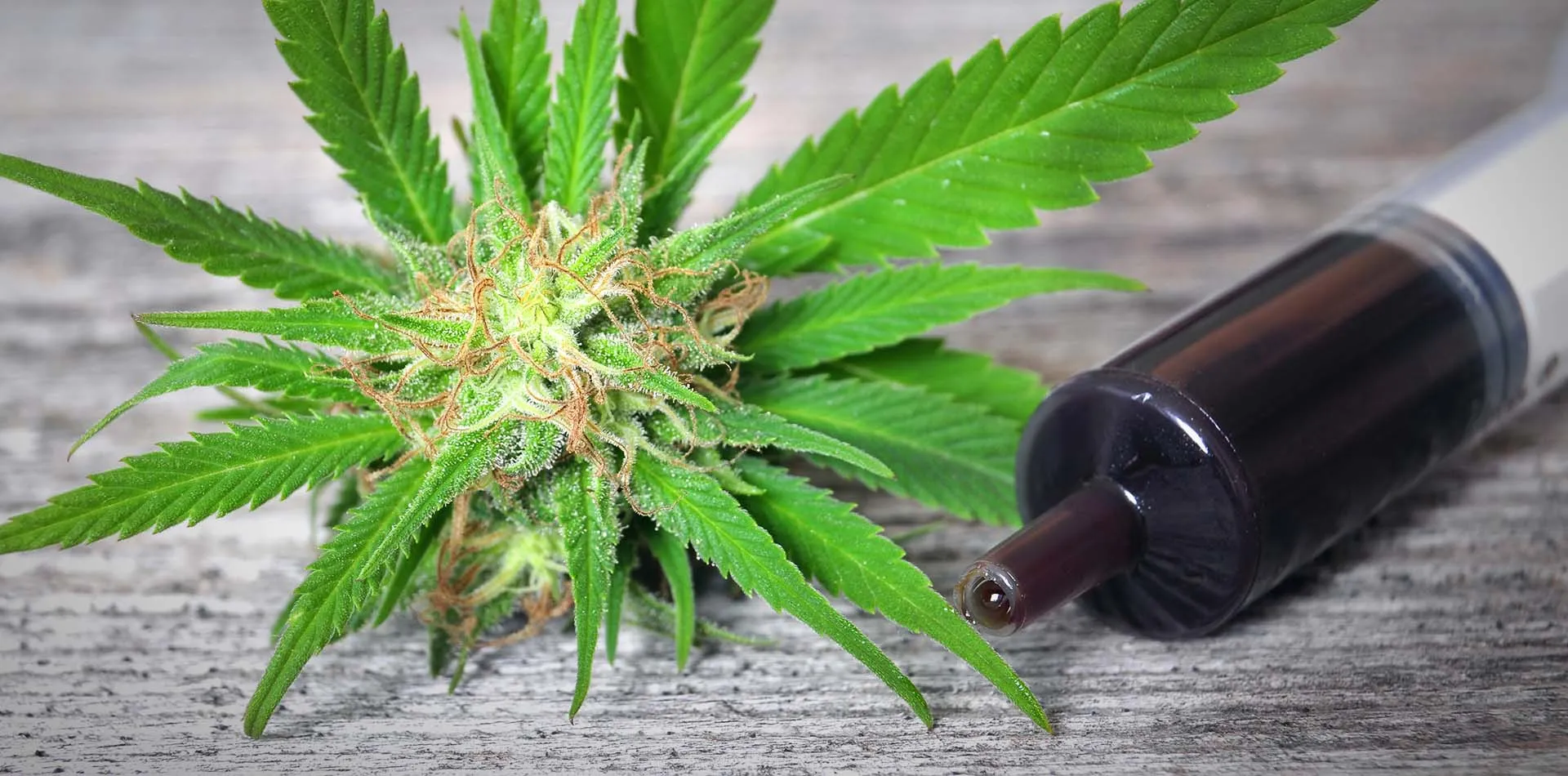
RSO, short for Rick Simpson Oil, is one of the most searched-for products on any dispensary menu, and one of the most misunderstood. A lot of what you’ll read about it online is personal stories and health claims. This guide sticks to the facts: what RSO is, how it’s made, how it compares with other extracts, and how it’s packaged and labeled in Ohio. When you’re ready to look, you’ll find it with the other extracts on our Ohio concentrates menu.
What Is RSO?
RSO is a full-spectrum cannabis extract. It’s made by soaking cannabis in a solvent, usually food-grade ethanol, then evaporating the solvent away. What’s left is a thick, dark, tar-like oil that is high in THC and keeps many of the plant’s other cannabinoids and terpenes. In Ohio, licensed processors make it and licensed dispensaries sell it, most often in a small graduated syringe.
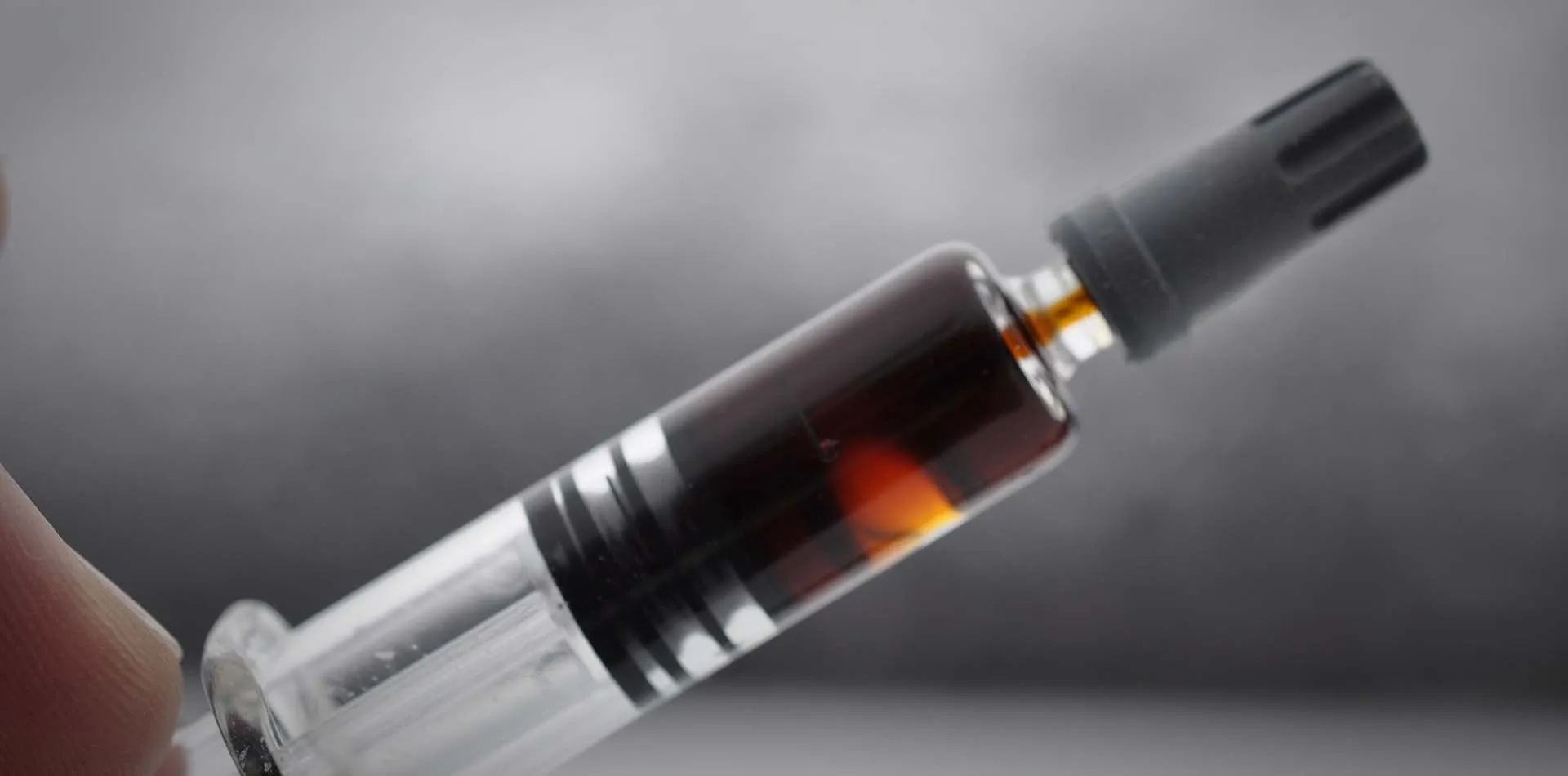
Where the Name Comes From
RSO is named after Rick Simpson, a Canadian who began making and sharing a homemade cannabis oil in the early 2000s. He published his method for anyone to use and never patented it, so “RSO” became a general name for this style of oil rather than a brand. Simpson’s story is tied to personal health claims that clinical research hasn’t confirmed. This post doesn’t cover health uses; it covers the product itself.
Simpson’s early batches used naphtha, a petroleum solvent. Today’s licensed producers use cleaner solvents, most often ethanol, in lab equipment built for the job.
How RSO Is Made
The idea is simple: pull everything useful out of the plant, then remove the solvent. A licensed processor follows roughly these steps.
- Start with cannabis. Producers use dried flower, and sometimes other plant material, from a licensed cultivator. RSO is usually made from high-THC strains, and the strain name appears on the label.
- Soak it in solvent. The plant material is washed in ethanol (or another approved solvent), which dissolves the cannabinoids, terpenes and other compounds.
- Strain out the plant matter. The liquid is filtered off and the spent plant material is thrown away.
- Evaporate the solvent. The liquid is heated gently until the solvent is gone. That heat also converts most of the THCA in raw cannabis into THC, which is why RSO is described as “activated.”
- Test and package it. In Ohio, every lot is tested by a state-licensed lab before sale, then loaded into syringes or other containers and labeled.
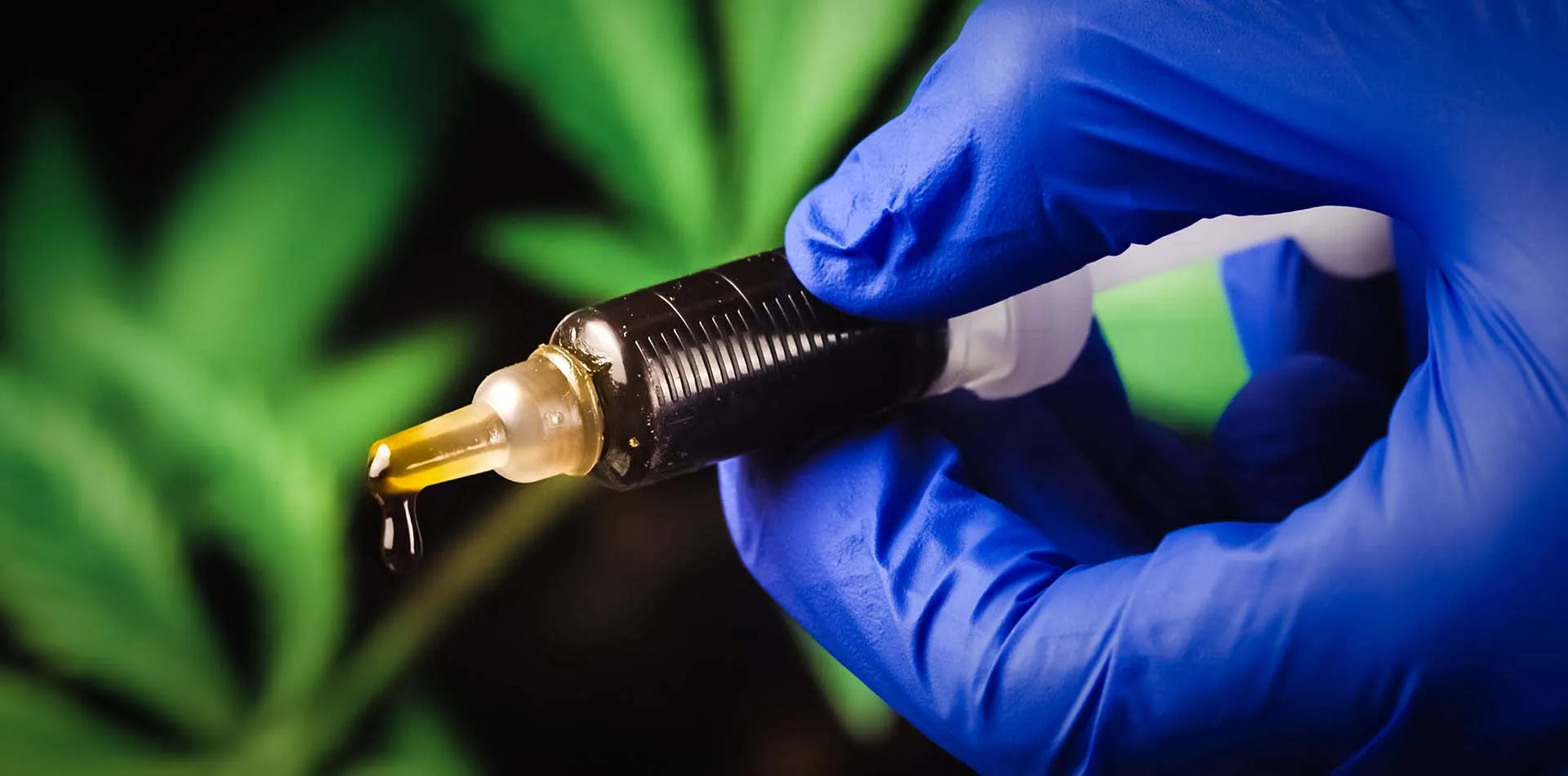
Don’t try this at home. Ethanol and other solvents are flammable, and evaporating them indoors is a fire risk. Licensed processors use closed equipment and test for leftover solvent; a home kitchen can’t.
RSO vs. FECO vs. Distillate
These three get mixed up because they all come from extraction. The difference is how much of the plant’s chemistry stays in the final product.
| RSO | FECO | Distillate | |
|---|---|---|---|
| What it is | Whole-plant oil, named after Rick Simpson | Full Extract Cannabis Oil; essentially a standardized RSO | THC oil refined to remove almost everything else |
| Usual solvent | Any: ethanol, isopropyl alcohol, hydrocarbons or CO₂ | Almost always ethanol | Starts as a crude extract, then distilled |
| Spectrum | Full: many cannabinoids and terpenes | Full | Narrow: mostly THC; terpenes often added back |
| Look | Thick, dark, tar-like | Thick, dark, tar-like | Clear to golden, runny |
| Common format | Syringe | Syringe | Vape cartridges, edibles |
In practice, many brands use “RSO” and “FECO” for the same product. Ohio labels tell you which solvent was actually used, so the label is more reliable than the name. For shatter, live resin and the rest of the extract family, see our guide to cannabis concentrates.
How RSO Is Sold in Ohio
Ohio treats RSO as a cannabis concentrate. Here’s what that means when you buy it.
- Where: only at a licensed Ohio dispensary, to adults 21 and over with a valid photo ID, or to registered medical patients.
- Format: usually a 1-gram syringe with measurement marks on the barrel. State rules cap a concentrate package at three containers, each holding no more than 2 grams.
- How much you can have: recreational customers can possess up to 15 grams of extract, and RSO counts as extract.
- Storage: keep RSO in its original package, even after it’s opened. Ohio’s SB 56, in effect since March 20, 2026, made that a requirement.
- In the car: an opened package goes in the trunk, or behind the last row of seats if there’s no trunk.
- Sharing: adults can share up to 15 grams of extract per day, at a private residence, and never for money.
- Across state lines: don’t. Bringing cannabis bought in another state into Ohio is illegal, and Ohio products may be illegal where you’re going.
How to Read an RSO Label in Ohio
Every RSO package sold in Ohio has a state-required label. It’s the best place to answer “how strong is this?” and “how much is a serving?” Here’s what you’ll find on it. (For labels in general, see how to read a cannabis label.)
- THC content in total milligrams per package, with THC, delta-9 THC, THCA, delta-8 THC, CBD, CBDA and THCV listed separately from the lab results.
- The top three terpenes by percentage.
- Intended method of administration: how the processor registered the product to be used, such as by mouth.
- Serving size, where one applies. On a syringe, the marks on the barrel measure it; the label or package tells you how much each mark holds.
- Net weight in grams and ounces.
- Extraction disclosure: the extraction process and any solvent used, such as ethanol.
- Who made and tested it: the processor’s name and license number, the testing lab’s name and license number, and the date the lot went to testing.
- Dates: when it was made, when it was packaged, and an expiration date no more than one year after it was made.
- The state’s warning, which includes that the product may cause impairment and that it’s illegal to drive under its influence.
RSO is far more concentrated than flower or a typical edible, so the label’s milligram numbers matter. Read them before you buy, and ask a budtender to walk you through them.
Shopping for RSO at Bloom
RSO stock changes by store and by week. Check our Ohio concentrates menu to see what’s in at your Bloom store, and order ahead for pickup. Bring a valid photo ID; if you’re a medical patient, bring your card too. Our budtenders can show you the label on any RSO syringe before you buy.
Frequently Asked Questions
Is RSO legal in Ohio?
Yes. Adults 21 and over and registered medical patients can buy RSO at a licensed Ohio dispensary. It counts toward the 15-gram extract possession limit.
Is RSO the same as an edible?
No. RSO is an extract, an oil sold on its own, usually in a syringe. Edibles are foods made with cannabis. The RSO label lists the intended method of administration, so check it before you use the product.
Is RSO the same as FECO?
Nearly. FECO (Full Extract Cannabis Oil) is almost always made with ethanol, while “RSO” can describe oil made with several solvents. Many brands use the two names for the same thing; the Ohio label states which solvent was used.
Will RSO get me high?
RSO contains THC, the compound that causes cannabis impairment, and it’s highly concentrated. Ohio’s required label warns that the product may cause impairment and that driving under its influence is illegal. The label lists the THC in milligrams per package.
How much RSO is a serving?
That’s on the label. Ohio requires a serving size where one applies, and RSO syringes have measurement marks on the barrel. Ask a budtender to show you how the marks line up with the label.
Does RSO expire?
Yes. Ohio labels carry an expiration date no more than one year from the date the product was made. Keep it in its original package, even after it’s opened.
Can I make RSO at home?
We don’t recommend it. The solvents are flammable, and home batches aren’t tested for potency or leftover solvent. Licensed RSO is lab-tested before it reaches the dispensary shelf.
For general information. This post isn't medical or legal advice. Cannabis rules differ between Ohio and Maryland and can change, so check with the Ohio Division of Cannabis Control or the Maryland Cannabis Administration. Talk to a healthcare provider before using cannabis for a medical condition. For adults 21+ and registered medical patients.
More from the Bloom blog.
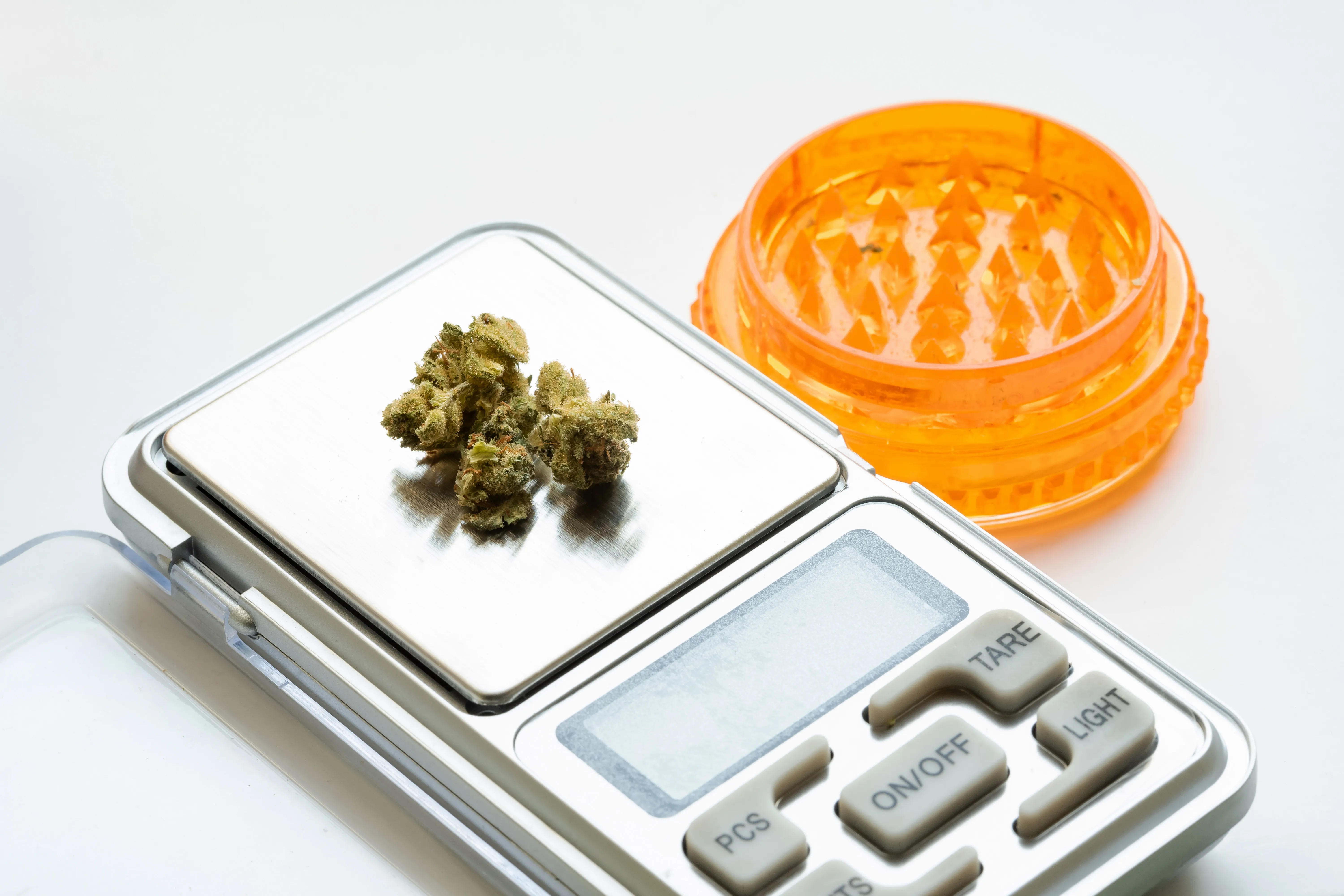
Education5 min read
How Many Grams in an Eighth? Cannabis Weights from a Gram to an Ounce
An eighth of cannabis is 3.5 grams. See every common weight from a gram to an ounce, what each size looks like, and how to shop flower at Bloom.
Bloom TeamNovember 10, 2026

Education9 min read
What Are THC Drinks? A Complete Guide to Cannabis Beverages
What are THC drinks? How nano-emulsified cannabis beverages work, how fast they kick in, how they compare with alcohol and edibles, and how to dose them.
Bloom TeamNovember 3, 2026
Education5 min read
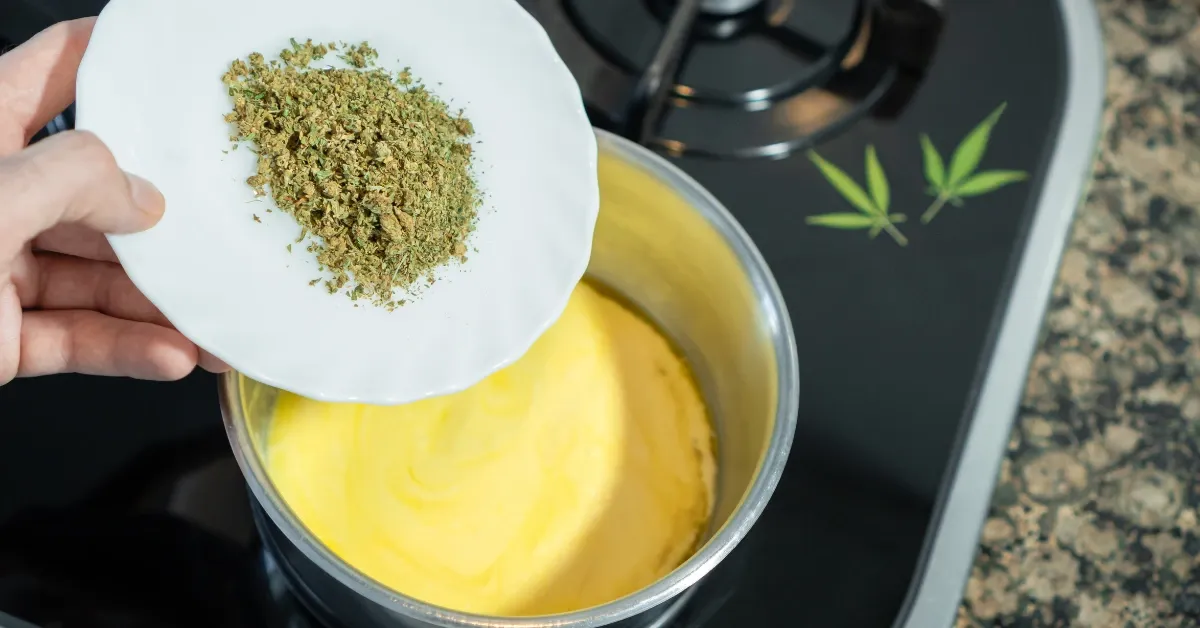
Cooking with Cannabis: Butter, Oil and Infusion Basics
Cooking with cannabis: how to decarb, make cannabutter and cannabis oil, estimate the THC in homemade edibles, and simple recipes to start with.
Bloom TeamOctober 30, 2026
Earn points, get the deals first.
Join Bloom Rewards free and start with 200 points, plus member-only deals and news from Bloom.
- 200 points for joining
- 1 point per $1 spent
- 100 points = $5
- Member-only deals and drops
Earn at any Bloom in Ohio or Maryland. Pick your store when you sign up.