
Cannabis Topicals: Targeted Relief Without the High
Cannabis topicals are one of the most approachable products in the dispensary. They don't get you high, they don't produce a drug-test-triggering blood level, and they target localized pain or inflammation exactly where you apply them. For people curious about cannabis but nervous about intoxication — or for experienced consumers who want relief for a specific sore spot — topicals fill a unique niche that no other cannabis format does.
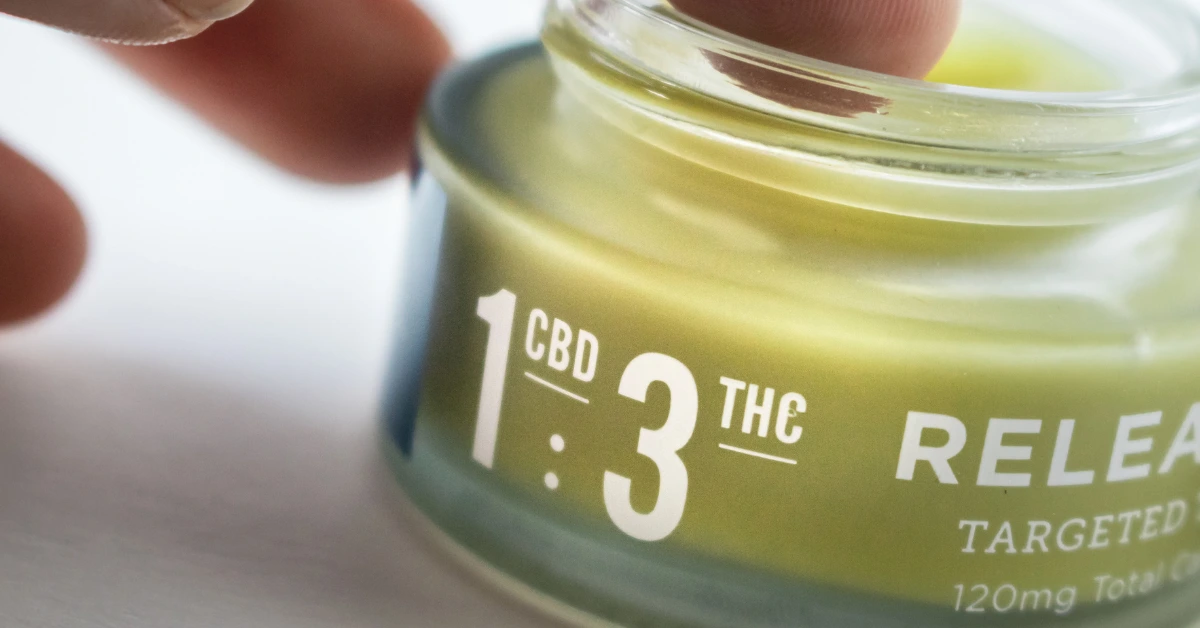
What Are Cannabis Topicals?
A cannabis topical is any product — cream, lotion, balm, salve, patch, bath soak — that you apply directly to your skin. Most contain cannabinoids (usually THC, CBD, or both), often combined with traditional pain-relief ingredients like menthol, camphor, arnica, or capsaicin. They're designed for localized effects: sore muscles, joint pain, skin inflammation, and similar issues.
How Topicals Work (And What They Don't Do)
Here's the most important thing to understand about topicals: standard cannabis topicals don't enter your bloodstream in meaningful amounts. They interact with cannabinoid receptors in the skin, muscles, and nerve endings at the application site, producing localized effects without reaching the brain (Bíró et al., 2009, Trends in Pharmacological Sciences). This is why topicals don't produce a high and almost never cause a positive drug test.
Your skin is rich in CB1 and CB2 receptors as part of your endocannabinoid system. When cannabinoids bind to these receptors locally, they can reduce pain signaling, inflammation, itching, and muscle tension in the area — without triggering the brain-based effects that come from systemic THC.
The one exception: transdermal patches, which are specifically designed to cross the skin barrier and deliver cannabinoids to the bloodstream. These can produce systemic effects and may show up on drug tests.
Types of Cannabis Topicals
Lotions and Creams
Light, easily absorbed, good for large areas. Best for general skin care, mild muscle soreness, and day-to-day use. Usually water-based with added oils.
Balms and Salves
Thicker, oil-based, more concentrated. Better for targeted deep relief — sore shoulders, arthritic joints, knots. Often combined with menthol or arnica for added effect.
Massage Oils
Designed for use during massage. The extended contact and skin manipulation may improve absorption and effects.
Bath Soaks and Bath Bombs
Whole-body application through warm water. Popular for general muscle recovery and relaxation. Effects are mild and full-body.
Patches
Transdermal patches stick to the skin and slowly release cannabinoids over hours. Unlike other topicals, transdermal patches are designed to enter the bloodstream and can produce systemic effects, including a mild high from THC patches.
Roll-Ons and Sticks
Applicator-based balms for convenient, targeted application without getting your hands greasy. Good for on-the-go use.
What Cannabis Topicals Are Good For
User reports and preliminary research suggest topicals may help with:
Localized muscle soreness after exercise or physical work
Joint pain and arthritis discomfort
Chronic lower-back pain
Skin inflammation and eczema
Menstrual cramps (when applied to the lower abdomen)
Neuropathic pain in conditions like diabetic neuropathy
Headaches and temple tension
A 2020 study in Current Pharmaceutical Biotechnology reviewed topical CBD's potential for inflammatory skin conditions and reported promising results, though larger clinical trials are still needed (Baswan et al., 2020).
What Cannabis Topicals Are NOT Good For
Systemic conditions like generalized anxiety or nausea. Topicals don't reach the brain.
Serious internal injuries that require oral or systemic treatment.
Getting high. Except for transdermal patches, topicals won't produce intoxication.
How to Use Cannabis Topicals Effectively
Apply generously. Topicals need to saturate the area to work well.
Massage in thoroughly. More contact with the skin improves absorption.
Apply to clean skin. Sweat, lotion, or dirt can reduce absorption.
Be patient. Effects usually kick in within 15–30 minutes and last 2–6 hours.
Reapply as needed. Unlike ingested or smoked cannabis, you can reapply topicals freely.
Wash your hands after applying unless your hands are the target area — you don't want to accidentally rub it in your eyes.
Topicals and Drug Tests
Standard topicals (creams, balms, lotions) almost never cause a positive drug test because the cannabinoids don't reach the bloodstream. Transdermal patches are a different story: they are specifically designed to deliver cannabinoids systemically and can show up on drug tests. If you're subject to drug testing, stick to non-transdermal topicals or CBD-only products.
Choosing the Right Topical
Here's a quick framework:
THC topicals: Slightly stronger perceived pain relief for some users. Not for drug-tested environments.
CBD topicals: More widely available, generally well-tolerated, good anti-inflammatory reputation.
1:1 balanced topicals: Combine both cannabinoids for potentially more complete relief.
With added menthol/arnica: The most noticeable immediate sensation — cooling, warming, or tingling.
Frequently Asked Questions
Will cannabis topicals get me high?
No. Standard topicals don't enter the bloodstream in meaningful amounts, so they don't produce intoxication. The only exception is transdermal patches, which are designed for systemic delivery and can cause mild psychoactive effects with THC.
How quickly do topicals work?
Effects are usually noticeable within 15 to 30 minutes. Full effects develop over the first hour. Some people feel initial relief (from menthol, warming agents, or the massage effect itself) within minutes.
How long do topical effects last?
Typically 2 to 6 hours, depending on the product, the dose, and the area being treated.
Can I use too much topical?
It's extremely hard to "overdose" on a topical. The main risk is wasting product — more cream past a certain point doesn't deliver more cannabinoids to the tissue.
Do topicals work better than over-the-counter pain creams?
It depends on the individual and the condition. Many users report that cannabis topicals (especially 1:1 formulations) provide relief where conventional creams don't. Research is still catching up.
Can I use topicals on broken skin?
Check the specific product label. Many cannabis topicals are intended for intact skin only. Broken skin can allow more absorption into the bloodstream and may irritate open wounds.
The Bottom Line
Cannabis topicals are the most beginner-friendly product in the dispensary. No high, no smoke, no complex dosing — just apply to the area and wait. For anyone dealing with localized pain, inflammation, or skin issues, topicals are worth trying before reaching for other cannabis products. They're also a great entry point for anyone curious about cannabis but not ready for intoxication.
Browse THC and CBD topicals at Bloom Ohio or Bloom Maryland.