Why THC and Terpene Numbers Look Lower Now
(And Why That Doesn’t Mean Less Potent Cannabis)


Here’s what you need to know—and why the bud you’re buying is just as good as ever.
If you’ve recently noticed lower THC or terpene percentages on some of your favorite flower products in Ohio, don’t panic—the cannabis hasn’t changed, but the math has. As of April 21, 2025, the Ohio Division of Cannabis Control (DCC) introduced new rules for how lab results are reported, and it’s shaking up the way potency is shown on packaging.
Want updates like this? Sign up to stay in the loop.
What Changed?
The DCC is now requiring all lab testing data to be reported "as received" rather than using the old "dry weight" formula. Previously, labs would calculate potency after adjusting for moisture content, which made THC and terpene percentages appear higher. Now, those numbers must be listed based on the product’s condition when it arrives at the lab, with no moisture correction.
In plain terms? THC and terpene percentages are going to look a little lower—even though the product itself is exactly the same.
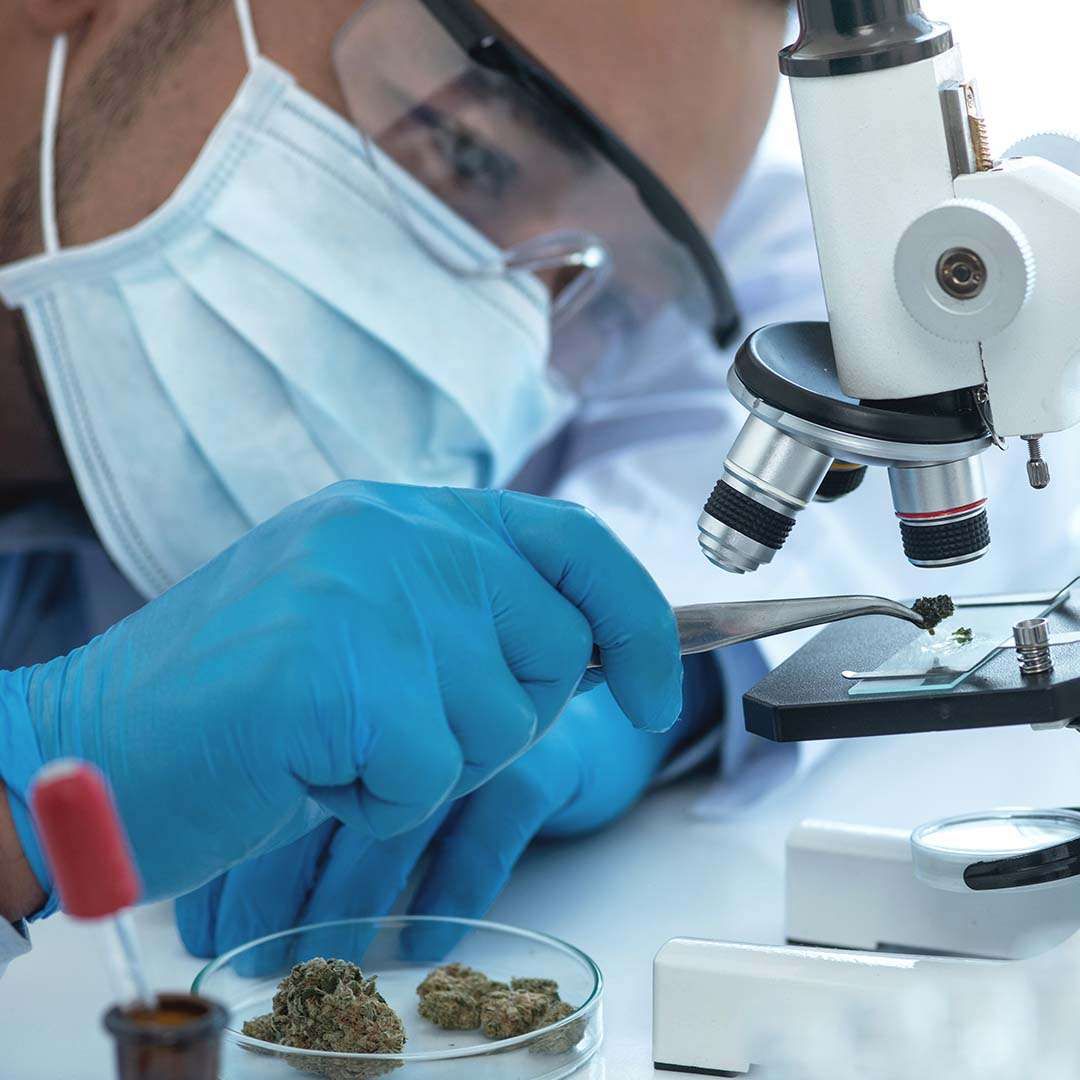
Potency Numbers: Old vs. New
Old method (dry weight reporting): A flower with 30% Total THC and 13% moisture looked like a heavy hitter.
New method (as received): That same flower will now show 26.1% Total THC on the label. (Formula: 30 x (1 - 0.13) = 26.1)
Terpenes Affected Too
Terpene results are also now reported “as received,” so your Limonene, Myrcene, and Caryophyllene numbers will likely appear lower as well. Again, this isn’t a drop in quality—it’s simply a new state standard for how those values are presented.
What About THCV?
The DCC has also removed THCV from the Total THC formula. It will still appear on lab reports, but it no longer contributes to the overall potency number. The new formula looks like this:
Total THC = Δ9-THC + Δ8-THC + (Δ9-THCA × 0.877)
So if you’ve been choosing products based on higher THC numbers alone, now’s a great time to look a little deeper—terpenes, minor cannabinoids.
TL;DR
• New rules = lower THC & terpene numbers on the label.
• The product is exactly the same as before.
• All cultivators and testing labs in Ohio must follow these rules.
• This is a compliance update, not a change in product quality.
• Your favorite strains still hit—promise..